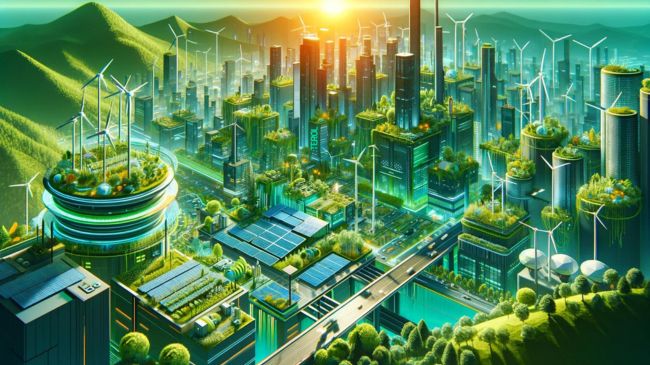
Integrating nature based solutions into civil and sustainable engineering projects is becoming more important than ever. As extreme weather events, climate pressures, and environmental degradation increase, engineers are turning to natural systems to design infrastructure that not only works but thrives. This blog explores how civil engineering firms can apply nature based approaches in real-world projects to create better outcomes for communities, ecosystems, and long-term performance.
Nature based solutions use natural processes like vegetation growth, water filtration, and erosion control to improve engineering designs. When used alongside traditional structures such as roads, bridges, or flood control systems, these solutions offer benefits that go beyond short-term fixes. The result is infrastructure that lasts longer, costs less over time, and adapts more effectively to changing environments.
Why engineers should care about nature based solutions
The shift toward sustainability is not just a trend. It reflects real changes in client demands, government policies, and climate risks. For civil engineering companies, integrating nature based solutions can:
-
Improve project resilience to floods, storms, and heat
-
Reduce lifecycle costs by lowering maintenance needs
-
Help meet environmental regulations and green certification targets
-
Enhance public support and community engagement
-
Support biodiversity and ecosystem recovery
Clients in both public and private sectors are increasingly seeking designs that combine solid engineering with environmental performance. Adopting nature based approaches helps firms stay competitive and forward-thinking.
Where nature based solutions can fit into civil projects
Civil engineers may wonder where exactly these solutions belong in their current project types. Here are several applications where natural elements can complement traditional design:
Stormwater management
Using rain gardens, bioswales, and constructed wetlands instead of—or in addition to—concrete drains allows water to be absorbed naturally. These systems reduce runoff, filter pollutants, and recharge groundwater. They’re especially useful in urban developments and highway expansions.

River and coastal protection
Living shorelines, vegetated embankments, and mangrove restoration help control erosion and buffer wave action more effectively than hard structures alone. When integrated with revetments or sea walls, they add extra protection while preserving coastal ecosystems.
Green infrastructure in urban spaces
Green roofs, vertical gardens, and tree-lined streets lower urban heat, improve air quality, and offer cooling benefits. These are practical additions to municipal projects, plazas, public housing developments, and transportation corridors.
Soil stabilization and landslide prevention
Roots from deep-rooted plants and native vegetation can help stabilize slopes naturally. Combined with geotextiles or retaining walls, they offer a more sustainable solution for hill roads, mining restoration, or railway embankments.

Practical steps for integrating nature based solutions
Civil engineering firms can start small and scale their efforts by following a few key strategies.
1. Start with site analysis
Evaluate natural features of the site before proposing design elements. Look at soil type, drainage, vegetation, wildlife, and nearby water bodies. Early analysis helps you find opportunities to preserve or enhance natural systems instead of replacing them.
2. Collaborate across disciplines
Work closely with ecologists, landscape architects, and hydrologists from the start of the project. Their input ensures that natural components are designed to function properly and achieve their intended environmental goals.
3. Combine traditional and natural materials
Don’t replace everything with greenery. In most cases, the best results come from blending the strength of concrete, steel, or asphalt with the flexibility of natural materials. This balance allows for performance without overdesigning.
4. Focus on long-term benefits
Clients may hesitate due to slightly higher upfront costs, but long-term data shows nature based systems reduce maintenance costs, extend lifespan, and lower the risk of catastrophic failure. Use clear case studies and cost-benefit analysis to support your recommendations.
5. Monitor and adapt
Nature based solutions are dynamic. Build in monitoring systems to track performance over time and adjust maintenance practices as needed. Adaptive management keeps the system functioning as intended even in changing conditions.
Challenges and how to overcome them
Even with their advantages, integrating nature based solutions is not without challenges.
-
Perception barriers: Some clients still see natural systems as “less reliable.” Engineers can counter this by showing data from similar projects and pilot studies.
-
Technical uncertainty: Designing with living systems introduces variability. Simulation tools and collaboration with environmental scientists can help model outcomes.
-
Regulatory hurdles: Permitting may be more complex when wetlands or protected species are involved. Work with legal consultants and agencies early in the design process to avoid delays.
-
Maintenance confusion: Clients may assume nature based features need constant upkeep. In truth, they often require less over time if established correctly.
By addressing these issues with good communication and planning, firms can unlock the full potential of nature based design.
Case examples from the field
Here are two real-world examples of civil engineering projects where integrating nature based solutions led to positive outcomes:
Urban flood control in Portland, Oregon
The city used bioswales, green streets, and rain gardens across several districts to manage stormwater. These systems reduced sewer overflows by over 90 percent, improved water quality, and created green space in underserved communities.
Coastal resilience in the Netherlands
Engineers restored dunes and salt marshes along key coastal stretches, integrating them with dikes. The result is a shoreline that better absorbs storm surges while also supporting tourism and wildlife.
These examples show that with proper planning, natural features can outperform or enhance traditional infrastructure in meaningful ways.
The future of civil engineering is greener
As the demand for sustainable infrastructure grows, civil engineers have a key role to play. Integrating nature based solutions into civil and sustainable engineering projects isn’t just a way to meet new regulations or environmental targets—it’s a way to future-proof designs, increase public trust, and deliver value that lasts.
Clients today are more aware of the risks tied to climate and environmental neglect. Showing leadership in this area positions your firm as innovative and reliable. Whether you’re working on roads, bridges, water systems, or housing developments, there is almost always an opportunity to bring in natural solutions.
Conclusion: Start integrating nature based solutions today
Nature is not a separate system from infrastructure—it can be part of the solution. By taking steps to include natural processes in your engineering approach, your company will deliver more durable, flexible, and community-centered outcomes.
Are you already exploring ways to integrate nature based solutions into your projects? Share your experiences or questions in the comments below, or contact us to discuss how we can help you build greener, smarter infrastructure.