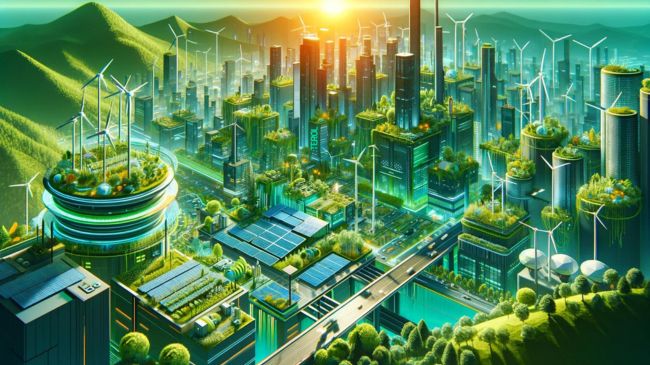
Civil engineers are known for big things—bridges, highways, dams, and skyscrapers. But here’s the twist: every time you roll out a blueprint, you’re not just shaping concrete and steel, you’re reshaping an entire ecosystem. And that’s why biodiversity in civil engineering design matters.
Think of it this way: if ants can organize six-lane highways without traffic lights, maybe we can learn a thing or two from nature. The bees, the trees, and even the fungi underfoot are all busy running systems that are remarkably efficient. Ignoring them in design means risking flood-prone roads, cracked embankments, and costly repairs. Respecting biodiversity means building projects that last longer, adapt better, and keep both regulators and communities happy.
It’s not about hugging trees (though feel free). It’s about creating infrastructure that works with nature, not against it—and yes, it can save money too.
What biodiversity really means for engineering projects
Let’s clear something up, biodiversity isn’t just about sticking a few shrubs on a roundabout. It’s about the full variety of life—plants, animals, fungi, microorganisms—and how they interact with each other and with the environment. These interactions keep soil fertile, rivers clean, and urban air breathable.
When we talk about biodiversity in civil engineering design, we mean incorporating these living systems into infrastructure planning. Roads, drainage systems, bridges, and railways shouldn’t bulldoze ecosystems into submission. Instead, they should weave into them.

The payoff? Fewer unintended problems like erosion, flooding, and habitat destruction. And yes, fewer angry letters from residents who preferred not to lose their local wetlands to a car park.
The business case for biodiversity in civil engineering design
Here’s the part your finance department will perk up for—biodiversity isn’t just eco-friendly, it’s business-savvy.
-
Regulatory advantage: Governments worldwide are tightening environmental rules. Projects that consider biodiversity early avoid costly redesigns or penalties later. Example? The EU requires Environmental Impact Assessments, and biodiversity-friendly projects breeze through approvals faster.
-
Resilience boost: Ecosystems are shock absorbers. Wetlands reduce flooding, forests cool cities, and diverse root systems hold soil in place. Infrastructure designed with biodiversity in mind is naturally more resilient against storms, droughts, and heatwaves.
-
Community goodwill: Ever notice how people complain about soulless concrete jungles? By integrating biodiversity, projects become greener, healthier, and more pleasant. Communities love green corridors, parklands, and wildlife-friendly zones—meaning fewer objections and smoother project rollouts.
-
Cost savings: Nature-based solutions often outperform engineered ones. A wetland can filter stormwater better and more cheaply than a man-made treatment plant. Native plants can reduce irrigation and maintenance costs on roadside landscaping. Long-term, biodiversity-friendly projects cost less to operate.
In short: biodiversity in civil engineering design isn’t charity. It’s competitive advantage.
How to integrate biodiversity into infrastructure projects
So, how do you go from buzzwords to bulldozers? Here are practical strategies civil engineers can use.
1. Design with ecosystems in mind
Before a single sketch is made, understand the site’s ecosystem. Map out wetlands, tree lines, habitats, and water flows. Sometimes the smartest move is to build around them instead of over them.
Example: The Netherlands’ “Room for the River” project preserves floodplains instead of walling them off, giving water space to flow and reducing flood risks.
2. Build green corridors
Wildlife doesn’t love highways as much as drivers do. Green corridors—eco-bridges, tunnels, and connected greenways—allow animals to move safely between habitats.
Example: Singapore’s Mandai Wildlife Bridge lets animals cross a busy road, keeping ecosystems connected.
3. Use vegetation as infrastructure
Plants aren’t decoration; they’re hardworking infrastructure. Native species stabilize soil, absorb pollutants, and attract pollinators. Planting wildflowers along roadsides isn’t just pretty—it reduces mowing costs and supports bees.
Example: London’s green roofs not only insulate buildings but also provide urban habitats for insects and birds.
4. Engineer with water, not against it
Instead of forcing stormwater into drains, create bioswales, retention ponds, and permeable pavements. Water infiltrates naturally, reducing flood risks and supporting local biodiversity.
Example: Portland, Oregon integrates “green streets” with swales and rain gardens, turning stormwater into a resource.
5. Think beyond construction
Sustainability doesn’t end with the ribbon-cutting. Post-construction monitoring, adaptive management, and involving local communities ensure biodiversity thrives long-term.
Example: UK highway projects now include monitoring of bat populations around tunnels to ensure structures function as intended.

Playful examples of biodiversity-friendly engineering
Here are some real and quirky examples that show engineers can have fun with biodiversity:
-
Bee hotels at rest stops: In parts of Europe, roadside rest areas have insect hotels to support pollinators.
-
Bat bridges in the UK: Special lighting and planting guide bats safely across busy roads.
-
Fish-friendly culverts: Modified culverts let fish swim upstream, preserving river ecosystems.
-
Living noise barriers: Instead of sterile concrete, hedgerows and green walls absorb sound while sheltering birds.
Who said infrastructure couldn’t have personality?
The challenges and how to overcome them
Of course, integrating biodiversity isn’t without hurdles.
-
Budget concerns: Clients may balk at upfront costs. The fix? Show the long-term financial benefits of reduced maintenance, regulatory compliance, and climate resilience.
-
Lack of expertise: Civil engineers aren’t usually ecologists. Solution: partner with biodiversity specialists early on. Co-design workshops can save both time and money.
-
Client skepticism: Some clients dismiss biodiversity as “extra fluff.” Reframe it as part of ESG (Environmental, Social, and Governance) goals. Companies increasingly report biodiversity metrics to investors, so it’s not fluff—it’s reputation and risk management.
Every challenge is an opportunity to show clients you’re not just engineers—you’re future-proofers.
Future trends: Where biodiversity meets innovation
The future of biodiversity in civil engineering design is where ecology and technology collide:
-
Drones for ecosystem monitoring: Track vegetation growth and wildlife movement around projects.
-
AI predictive models: Simulate how infrastructure will affect ecosystems over decades, helping engineers make smarter choices.
-
Biomimicry in materials: Using natural patterns (like shells or beehives) to inspire stronger, more efficient structures.
-
Carbon-capturing landscapes: Designing green spaces that actively sequester carbon while serving as community amenities.
Tomorrow’s civil engineer won’t just design roads; they’ll design living, adaptive systems.
Be the engineer nature would hire
Civil engineering has always been about shaping the world. But now, the challenge is to shape it without breaking it. By embracing biodiversity in civil engineering design, you’re not just building infrastructure—you’re building resilience, beauty, and harmony with nature.
Next time you draft a design, ask: would the bees, birds, and butterflies sign off on this? If yes, congratulations—you’ve built something that works for everyone.
Want to lead the charge toward greener, smarter infrastructure? Start small. Share this article with your colleagues, bring biodiversity up in your next project meeting, and brainstorm how your designs could welcome not just people, but ecosystems. Civil engineering’s future isn’t just about concrete—it’s about life. And you’re the ones with the blueprints.