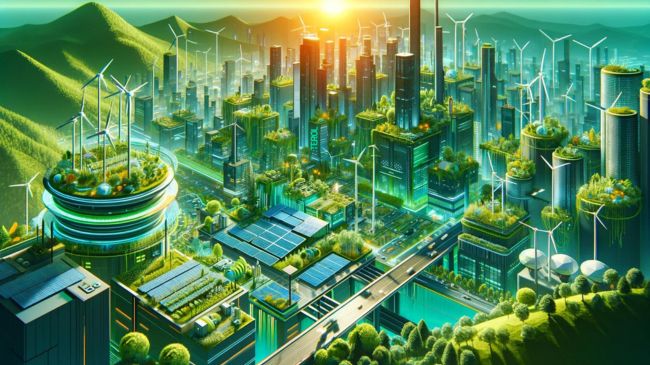
Civil engineers have always been the unsung heroes of the built environment. Roads, bridges, water systems, and buildings? Yep, that’s us. But in a world where landfills are bursting at the seams and climate change headlines dominate our morning news scroll, it’s no longer enough to build strong and build big. We need to build smart, circular, and with a wink at the future. Enter the magic phrase “Circular Economy Principles.”
Let’s dig into how these principles can shape design in civil engineering—without making it sound like a boring textbook. Think of it as recycling on steroids, with some serious flair.
What are circular economy principles anyway?
Imagine if everything we built lived a second, third, or even fourth life. Instead of designing for “use it and lose it,” we design for “use it, reuse it, repurpose it.” That’s what Circular Economy Principles are about. They flip the old linear model of “take, make, dispose” into a looping system where materials and resources stay in play.
In civil engineering terms, it means designing infrastructure that can adapt, be deconstructed, and reused rather than heading straight for the landfill when its time is up. Think Lego blocks, not one-time-use glue sticks.
Why should civil engineers care?
Because the world is literally counting on us. Civil engineers shape how communities grow and how resources flow. By embedding Circular Economy Principles into design, we can:
Reduce Waste & Save Money
By designing with materials that can be reused or recycled, engineers can cut construction waste and save on material costs. Think of it like designing a building where every part has a second life, instead of sending tons of concrete and steel to landfills.

Lower Carbon Footprints
Every ton of cement or steel has a carbon cost. By using recyclable materials, rethinking structural design, or choosing lower-impact options, engineers can shrink the project’s environmental impact—helping combat climate change one bridge or building at a time.
Build Resilience Into Infrastructure
Circular thinking isn’t just about recycling—it’s about durable, adaptable designs. Buildings, roads, and water systems that can be modified, upgraded, or repurposed last longer and cost less to maintain, protecting communities from future shocks.
Make Clients Happy
Clients love long-term savings. Circular designs often mean less maintenance, lower operating costs, and a greener image. Everyone wins—the client, the public, and the planet.
Avoid Future Regret
Let’s be honest, no one wants to be remembered as the engineer who created the “concrete dinosaur”—a building or structure that can’t be recycled, reused, or adapted. Circular Economy Principles make sure your designs stand the test of time—functionally and ethically.
Plus, let’s be real, no one wants to be the engineer who designed the concrete dinosaur that future generations curse for being impossible to recycle.
Design strategies to make infrastructure circular
Alright, let’s roll up those sleeves (safety vests optional) and look at how civil engineers can put Circular Economy Principles into practice.
Design for adaptability
Picture a building that can change its purpose without major demolition. A warehouse today, a school tomorrow, and a community center in the future. By designing with modular layouts and flexible structures, civil engineers ensure that infrastructure grows with the needs of society—without the wrecking ball.
Choose materials with second lives
Instead of pouring concrete like it’s going out of style, consider materials that can be reused or recycled easily. Steel, timber, and even innovative bio-based materials can be heroes here. Bonus points if you can source reclaimed materials—it saves money and screams “sustainable” to your clients.
Prioritize deconstruction over demolition
Traditional demolition is basically smashing things to bits. Deconstruction, however, is a thoughtful breakup. It allows components like beams, windows, and flooring to be salvaged and reused. Civil engineers can design joints, fastenings, and assemblies that make this process easier, keeping valuable materials out of landfills.
Integrate renewable energy and water systems
Circularity isn’t just about solid materials. Designing infrastructure with on-site renewable energy systems, rainwater harvesting, and greywater recycling closes resource loops. Suddenly, buildings aren’t just consumers—they’re producers.
Digital tools for circular design
Here’s where the geeky fun kicks in. Using Building Information Modeling (BIM), civil engineers can track material use, plan for future reuse, and even model carbon savings. Imagine a spreadsheet, but way cooler, and in 3D.
Real-world examples that inspire
-
Amsterdam’s circular construction projects: The city has pledged to go 100% circular by 2050, and many of its civil projects already integrate modular construction and reclaimed materials.
-
London’s Olympic venues: Built with Circular Economy Principles in mind, several arenas were designed for easy disassembly and repurposing.
-
Small-scale road projects: Engineers are experimenting with recycled plastics and reclaimed asphalt to build roads that are both strong and sustainable.
If entire cities can do it, your firm can too.
Challenges (and how to flip them into opportunities)
Let’s be honest: it’s not always smooth sailing. Clients may worry about upfront costs. Contractors may grumble about “new ways of doing things.” Regulations might lag behind innovation.
But here’s the twist: Circular Economy Principles often bring long-term savings, reduced maintenance headaches, and glowing reputations for forward-thinking firms. Educating stakeholders, showing case studies, and running pilot projects can flip skepticism into excitement.
The playful side of circular economy
Think of circular design as playing with an infinite Lego set. Every block you use could be part of a future masterpiece. The beauty? You’re not just building projects—you’re building possibilities. The next time someone asks if circularity is practical, remind them: civil engineers have been recycling ideas (and coffee) for centuries.

Wrapping it up
Civil engineers stand at the frontline of sustainable change. By embracing Circular Economy Principles, we can design infrastructure that’s flexible, efficient, and kinder to the planet. It’s not just about being eco-friendly—it’s about being future-ready.
So, next time you’re sketching out a project, ask yourself: “Will this design live one life or many?” If it’s the latter, congratulations—you’re part of the circular revolution.
Want to learn more about weaving Circular Economy Principles into your projects? Follow our blog for more playful yet practical insights, and let’s start building smarter, greener, and more circular together!