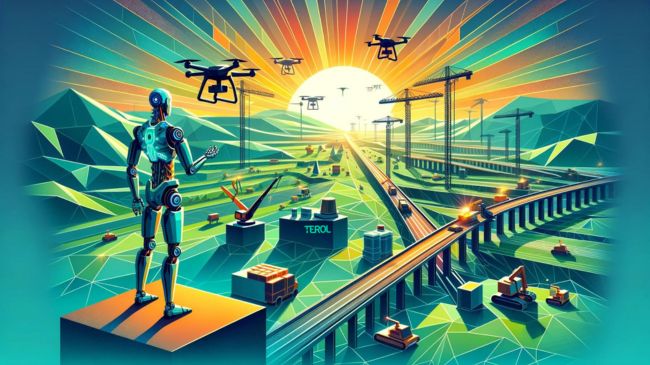
In civil engineering, time really is money. Every day a project lags behind schedule, costs pile up like bricks. Enter the hero of our story, 3D Models for Construction Phasing. These handy tools are more than just fancy visuals, they’re game-changers for planning, scheduling, and executing construction projects. Think of them as the GPS navigation for complex builds — guiding your team from groundbreaking to ribbon-cutting without unnecessary detours.
So, grab your hard hat and let’s dive into how these digital marvels are reshaping the way we approach construction phasing.
What is construction phasing, anyway?
Construction phasing is like choreographing a dance — except instead of dancers, you’ve got heavy machinery, contractors, and concrete trucks. It’s the process of breaking down a project into manageable steps that align with timelines, resources, and safety regulations.
Traditionally, phasing relied on 2D drawings and stacks of charts. But let’s be honest: trying to plan a massive bridge or roadway using static diagrams is a bit like assembling IKEA furniture without the manual. Enter 3D Models for Construction Phasing, which bring projects to life in vibrant detail and clarity.
The magic of visualization
Ever tried explaining a construction schedule to someone who doesn’t live and breathe engineering? It can feel like speaking another language. With 3D Models for Construction Phasing, suddenly everyone’s on the same page.
Contractors, city officials, and even community members can see exactly what’s going to happen and when. It’s no longer a jumble of technical jargon — it’s a clear story told in visuals. That kind of transparency not only builds trust but also reduces the endless back-and-forth of “what comes next?”
Imagine showing a town hall a colorful animation where they can literally watch a new overpass rise phase by phase. It turns skeptical nods into applause.
Better planning, fewer headaches
One of the biggest perks of 3D Models for Construction Phasing is precision. Engineers can simulate every stage of the project before a single shovel hits the dirt. This means:
-
Spotting clashes early: No more nasty surprises when utilities meet foundations.
-
Optimizing sequences: Decide whether paving before lighting poles is the smarter move.
-
Fine-tuning timelines: Adjust for weather, supply delays, or labor availability with ease.
Think of it as having a crystal ball for your project. You can test multiple scenarios, compare them, and pick the one that minimizes risks and maximizes efficiency.
Saving time (and money) with digital rehearsals
Think of 3D models as rehearsal stages for your project. You wouldn’t launch a Broadway show without practicing, right? Same goes for construction. By virtually “test-driving” each phase, companies can identify risks, cut inefficiencies, and keep projects cruising along.
For example, imagine a roadway expansion project where crews plan to add two lanes while keeping traffic flowing. With a 3D model, teams can rehearse traffic switches, lane closures, and equipment staging. The result? Fewer accidents, less driver frustration, and a project that doesn’t spiral out of control.
Fewer delays equal happier clients, happier contractors, and — let’s be real — healthier budgets. And in civil engineering, avoiding even a single costly mistake can mean millions saved.
Improving communication across teams
Construction projects often feel like a giant game of telephone. The architect whispers a detail to the engineer, who passes it to the contractor, who hands it off to the crew — and somewhere along the way, the message gets scrambled.
With 3D Models for Construction Phasing, the model speaks for itself. Everyone from the project manager to the crane operator can visualize the same thing. Miscommunication shrinks, coordination improves, and teamwork levels up.
Instead of endless meetings trying to interpret spreadsheets, teams can look at a single model and know exactly how the plan unfolds. It’s like giving every crew member a backstage pass to the big show.
Making safety a priority
Phasing isn’t just about when things happen — it’s also about how safely they happen. A 3D model lets teams identify hazards before they become accidents. For example:
-
Staging equipment away from active traffic lanes.
-
Sequencing work to minimize overlapping crews in tight spaces.
-
Planning site access routes for emergency vehicles.

This proactive safety approach not only protects workers but also keeps regulators and stakeholders satisfied. It’s easier to enforce safety when everyone can literally “see” the risks before they’re real.
Bringing the community along for the ride
Civil engineering projects often impact entire communities. Think road closures, detours, and construction noise. Explaining those disruptions with text-heavy reports rarely goes down smoothly.
But show the community a 3D model that visually explains when roads will close, how detours work, and when normal life resumes? Suddenly, frustrations turn into understanding. It’s a powerful tool for public engagement that turns skeptics into allies.
A good model doesn’t just say “expect delays” — it shows where and why, building trust with the public.
Future-proofing with data
Here’s the cherry on top: 3D Models for Construction Phasing aren’t just for today. The data embedded in them can be reused for maintenance planning, renovations, and future projects. In essence, they create a digital twin of the construction journey — a living record of decisions, sequences, and outcomes.
When a city needs to expand a highway again 15 years later, engineers won’t be starting from scratch. They can review the 3D phasing model from the original build and build on that knowledge.
Civil engineering firms that embrace this approach don’t just solve today’s problems; they set themselves up for long-term success.
Playful take: The lego effect
Remember building Lego sets as a kid? You didn’t dump all the bricks on the floor and hope it turned into a castle. You followed the steps, one bag at a time. That’s exactly what 3D Models for Construction Phasing do for massive, real-world builds. They turn chaos into order — and they make the process surprisingly fun to watch.

Real-world example: Bridges and beyond
Let’s say your firm is tasked with replacing an aging bridge over a busy highway. Normally, this would mean massive detours, community pushback, and stressed crews. But with a 3D phased model, you can visualize each step: demolishing one half while keeping traffic moving on the other, sequencing crane lifts, and planning temporary supports.
Stakeholders get peace of mind, crews get clarity, and drivers get fewer headaches. It’s a win all around. And bridges are just the beginning — these tools shine in airports, rail projects, urban renewals, and mega-highway expansions.
Building smarter, not harder
At the end of the day, civil engineering isn’t just about building structures — it’s about building smarter ways to bring those structures to life. 3D Models for Construction Phasing are the tools that help us do just that. From improving planning and communication to boosting safety and saving money, they’re reshaping the construction playbook.
So, if your firm isn’t already leveraging these digital powerhouses, it might be time to dust off that hard hat, fire up the modeling software, and join the future of construction.
Ready to level up your construction projects with 3D models? Share your experiences, challenges, or questions in the comments below — let’s build the conversation together!